Year: 2022
Location: Culturgest Culture Centre, Lisbon
Client: Lisbon Architecture Triennale Terra
Participants: Galina Balashova, Studio Ensemble, Tomoaki Uno
Architects usually feel obliged to design socially engaging spaces.
For any project today, no matter what the programme of the building is, it is almost obligatory to spell out “openness”, “community feel”, and “shared services”. It is a mantra that seems to guarantee public recognition and buy-in into a developer’s plan.
Meanwhile, more and more people in all stages of the lifecycle feel that slowing down, disconnecting from multiple streams of information, and opting for a more introspective existence is a sensible alternative to dwelling in overloaded, overshared urban habitats of today.
In this mini-exhibition we presented three visionaries who designed spaces for voluntary escape.
In their strikingly diverse projects, all authors tested new settings for productive escapism, precipitating the future when people might more actively explore autonomous living, away from the others, away from the city or away from the Earth…
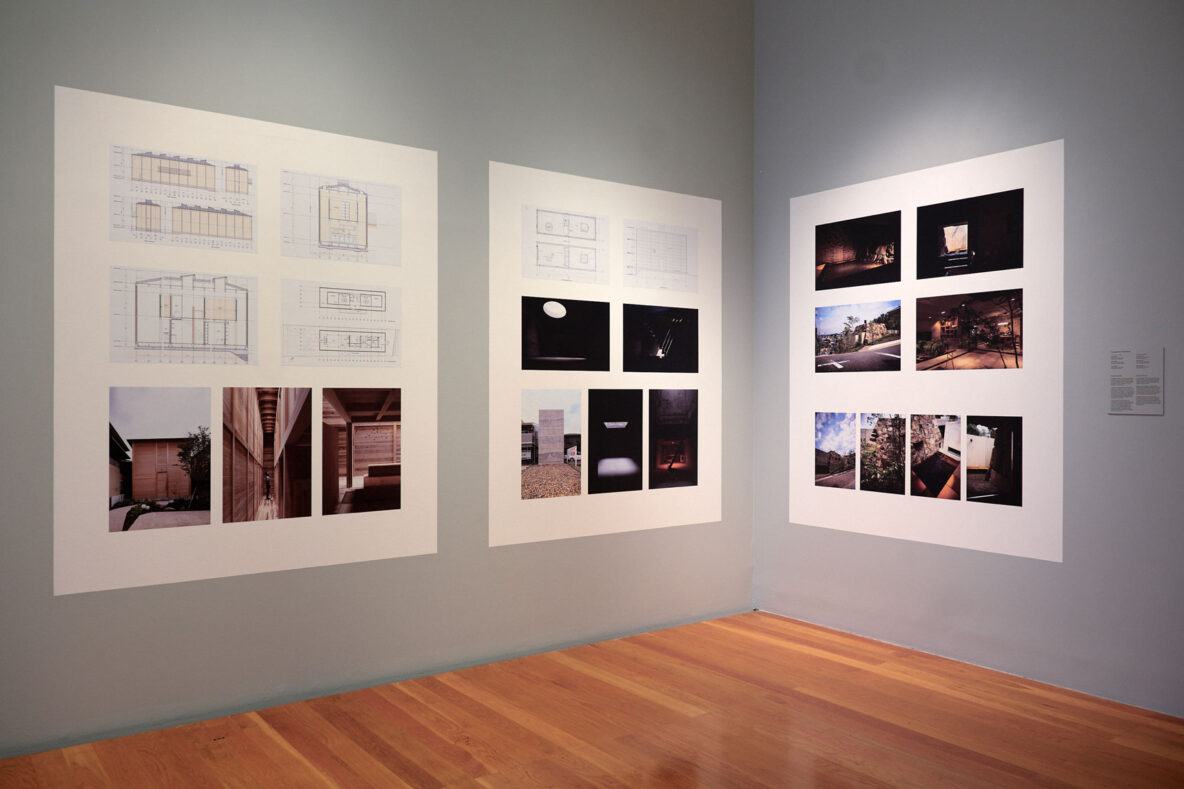
Introvert Houses by Tomoaki Uno
A true explorer of humble domesticity, the architect Tomoaki Uno (based in Nagoya, Japan) designs spaces for those who for various reasons prefer living in their own closed-off microcosms.
Most of Uno’s houses – be it a home commissioned by a son for his sick mother or a writing retreat for the university professor – are territories of utmost customisation; he works together with his clients, catering very attentively to the needs of introverts in our extremely extrovert society.
What at first sight looks like an assortment of unrelated exceptional projects might be also understood as a consistent projective exploration. With fast growing numbers of sole dwellers in big cities designs for conscious and productive solitude should soon be in very high demand.
A Woman Who Domesticated Cosmos
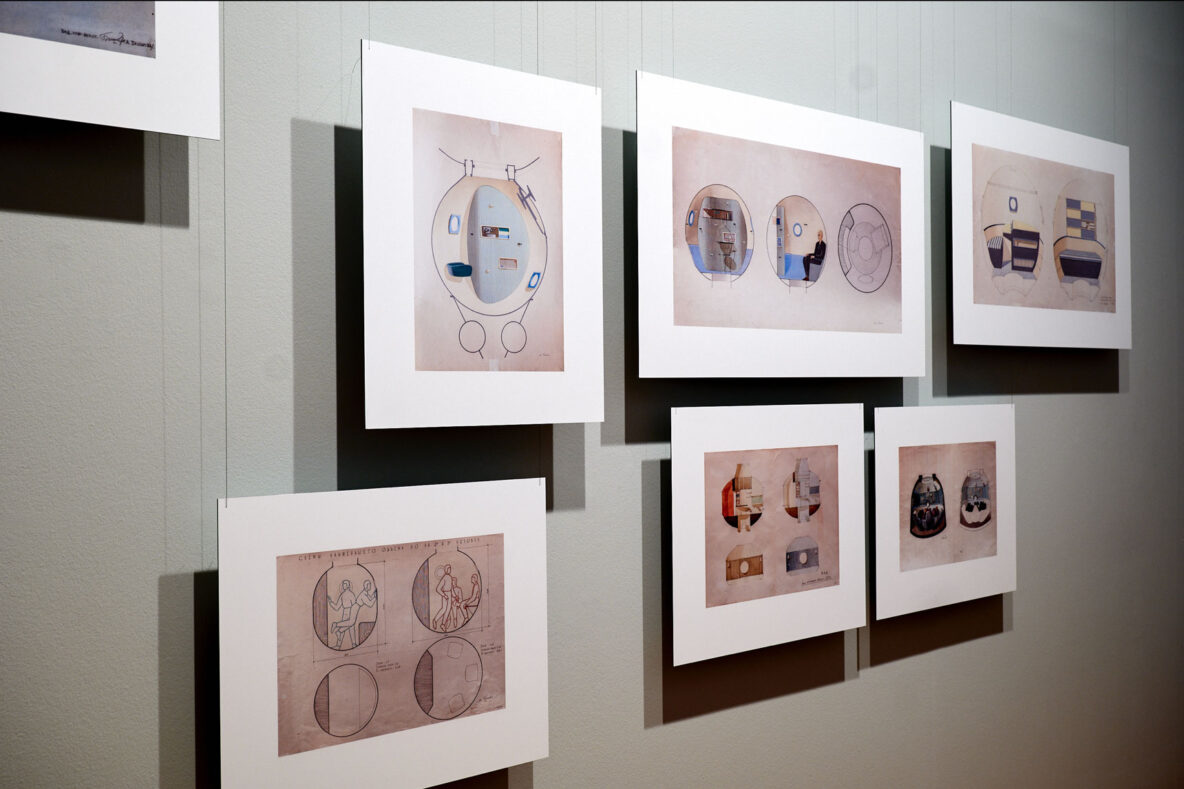
For many years the very name of Galina Balashova (1931) remained a secret.
The only female and the only architect with a diploma at the OKB-1, the Soviet space bureau led by the engineer Sergey Korolev, she authored a unique series of interior designs for the first orbital station Soyuz and was never allowed to sign her own aquarel visions.
In retrospect, the Soviet space Odyssey seems to be less of a scientific project, more of a large-scale colonisation endeavour and an ultimate tour-de-force to win the Cold War. Yet the orbital program brought together many talents, boosting visionary production even in the suffocating atmosphere of the empire that did not manage to build Communism, but managed to kill millions of its own citizens.
Selected mostly because she was a woman and therefore according to her male team leaders suitable for beautification of austere environments invented by engineers, Galina Balashova, in fact, tried to do something very important – to introduce a human dimension into the context devoid of humanism. Through research she studied what would make a place a home and what kind of ingredients would help astronauts to survive long months in harsh isolation. Not your typical futurologist, she envisioned a candid future world where next to all technological achievements humans would always long for non-practical objects and sentimental memories of what they left behind.
Back to the Cave
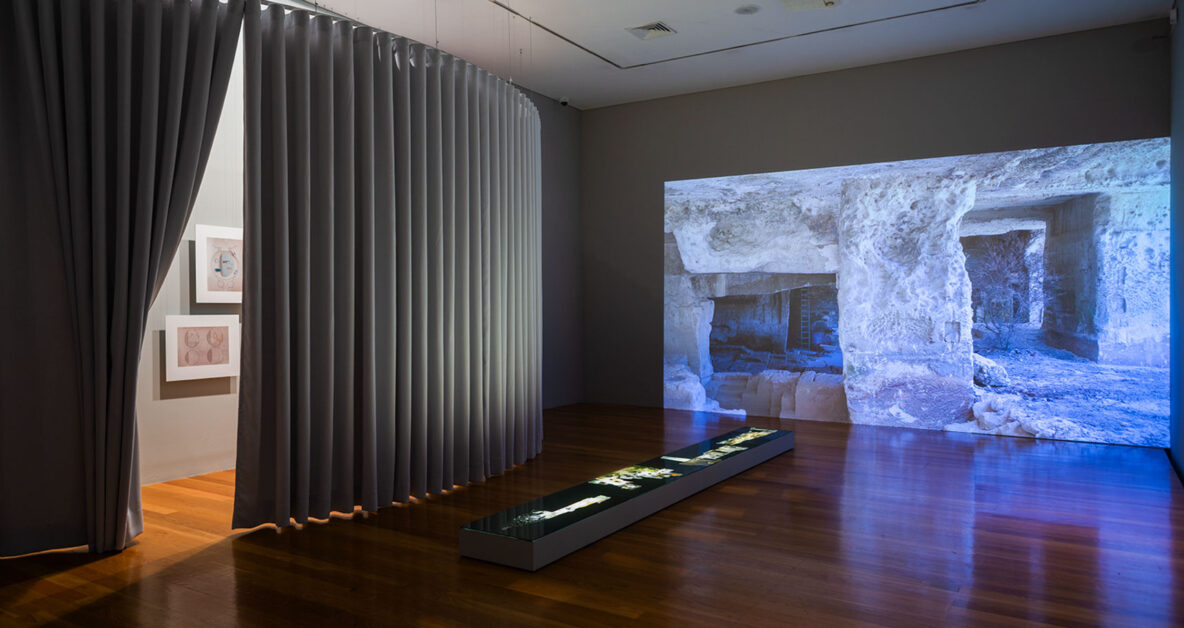
The founders of the Ensamble Studio were always fascinated with prototypes and models for future homes. In 2018, they initiated an experiment on Menorca island, turning an old abandoned quarry into a laboratory for autonomous living. Learning from the history of stone quarries in Spain, which were often used as temporary shelters by rebels and refugees of all kinds, the team (and a family) of architects began documenting their life in the semi-artificial cave.
Is it possible today to live productively with no direct connection to the outside world? What does it mean to exploit the full potential of natural light and ventilation? How to survive on a limited water supply? Could we create a variety of interior climates through smart use of natural materials? Not all answers to these questions were obvious; it took time to understand the merits of autonomous living and figure out what an architect could learn from a cave.
With this project, the architects continued their long-term collaboration with geologists. Ca’n Terra, or the House of the Earth, allowed the team to envision architecture as a sequence of small-scale yet strategic additions to already existing geological layers and formations. Do we actually need to build anything to create a home of our dreams?
Photo: Nuno Cera, Sara Constanza
Visionaries Lisbon Triennale