ON STAGE

Year: 2022
Location: Culturgest Culture Centre, Lisbon
Client: Lisbon Architecture Triennale Terra
Participants: Andres Jaques, SVESMI, Selgascano

The distinction between private and public space is being re-evaluated. 

We tend to tame and domesticate the public sphere, while also opening our private abodes to socially-engaging online experiences and staying wired to others even in the most intimate spaces of our homes. 

We are getting accustomed to living in the limelight, on stage. 

The private realm expands. It includes more and more elements that were never considered part of domestic life. It turns into some kind of assemblage of spaces which are not easy to describe within the familiar dichotomy. 

Next to the traditional home-castle and the modernist home-cell, a future home which rather reminds a system of coordinates is emerging.  

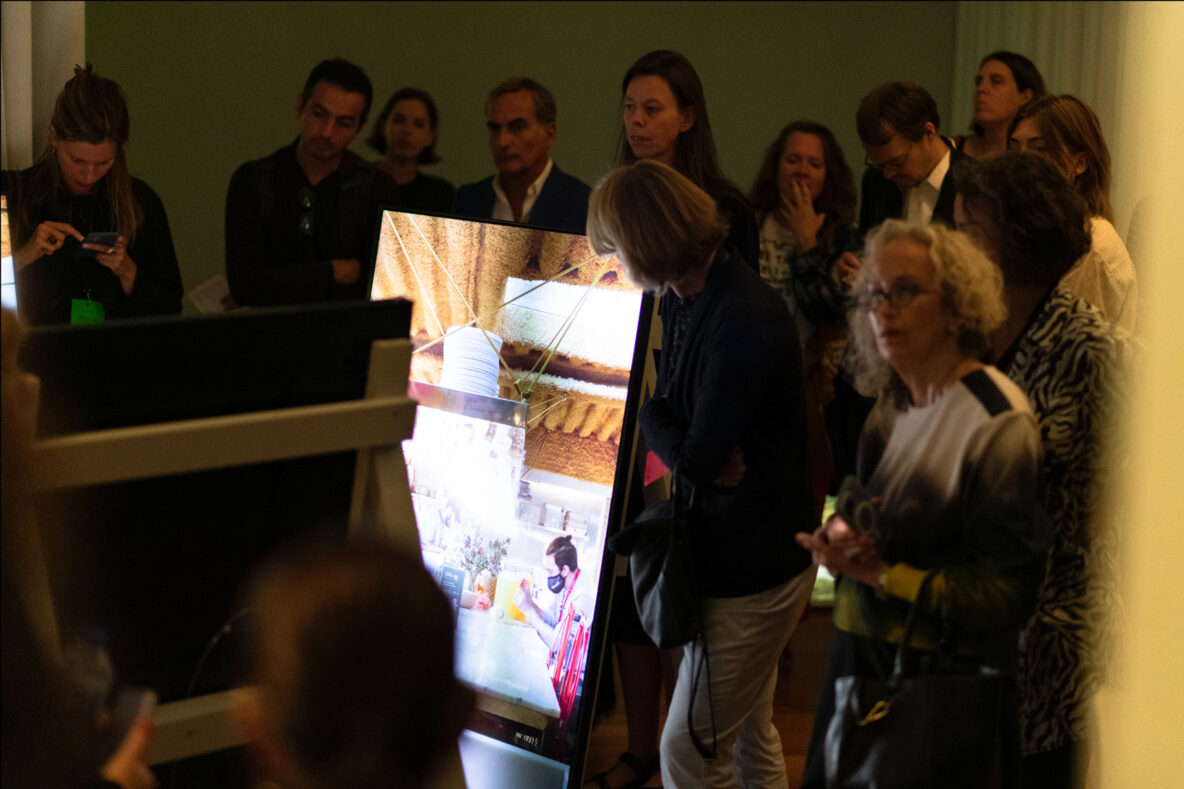
In this mini-exhibition, architects who imagine new PublicPrivate spatial arrangements and develop first models for future use present their most recent work.

INHABITING A MUSEUM 

Should every museum follow commonly accepted rules of behaviour? Is it possible to make a museum into a home?

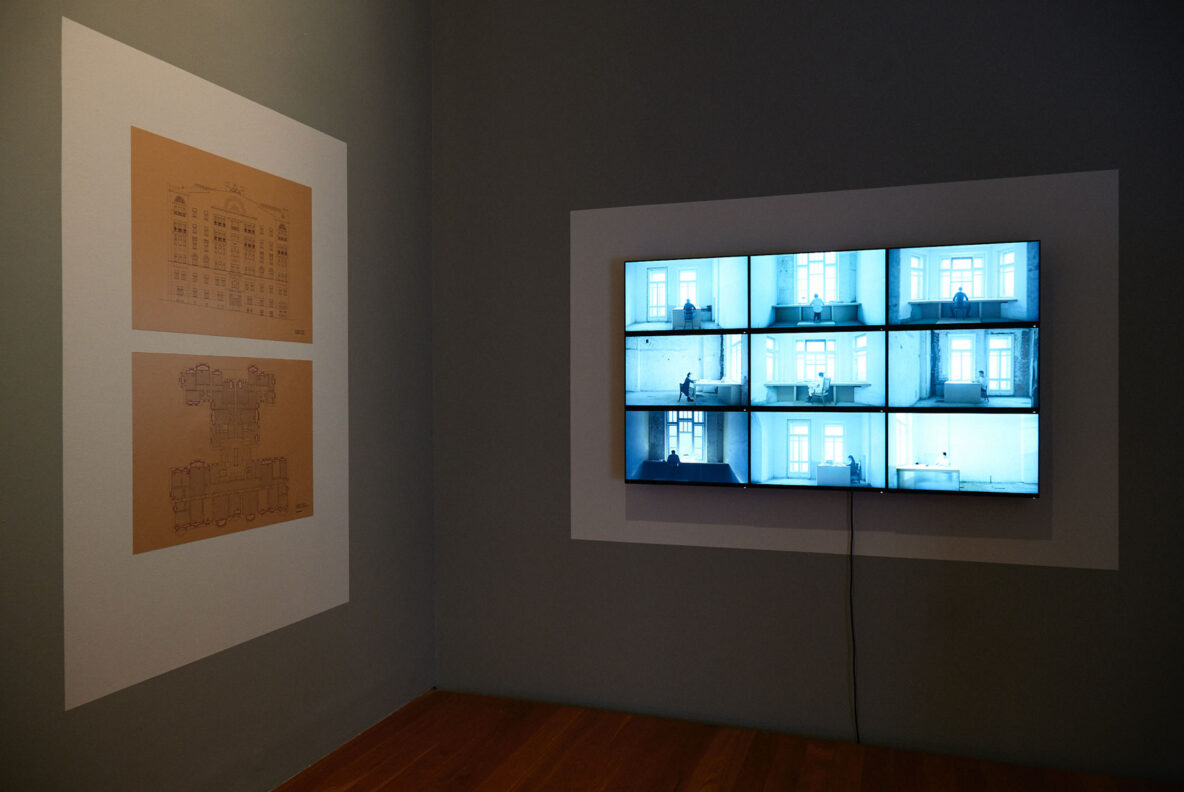
House of Text, the most recent addition to the Pushkin Museum of Fine Arts, focuses on textual materials pertaining to art and its history. Housed in the former apartment block which was built in 1913-14 in the manner of characteristic tenement houses in Vienna and Berlin, this museum is imagined as a slow space where visitors can actually “dwell”: spend a lot of time with the exhibits, work, meet, eat, and even sleep, following protocols unimaginable in the more traditional art institutions. 

The project by SVESMI leaves the layout of former apartments practically intact, so the past domesticity and its structure remains clearly readable. Within this preserved architectural monument, furniture arrangements format and define the space, inviting visitors to inhabit the otherwise empty salons, bedrooms, kitchens, etc. For each of the 600 rooms of the museum, SVESMI team designed a simple table next to a window with a view over the city. A chair is provided to everyone who wants to sit and explore texts on display.  

The figure of a person reading or writing at the desk flooded with daylight became central to the project. While being in the public institution, every visitor can get a working station of his or her own, perhaps achieving the state of concentration that is hard to imagine in our overly connected homes. With its prominent position in every room, a museum “inhabitant” – homo lectio – also becomes an exhibit next to books, letters, scrolls and other treasures of the House of Text.  
SECOND HOME

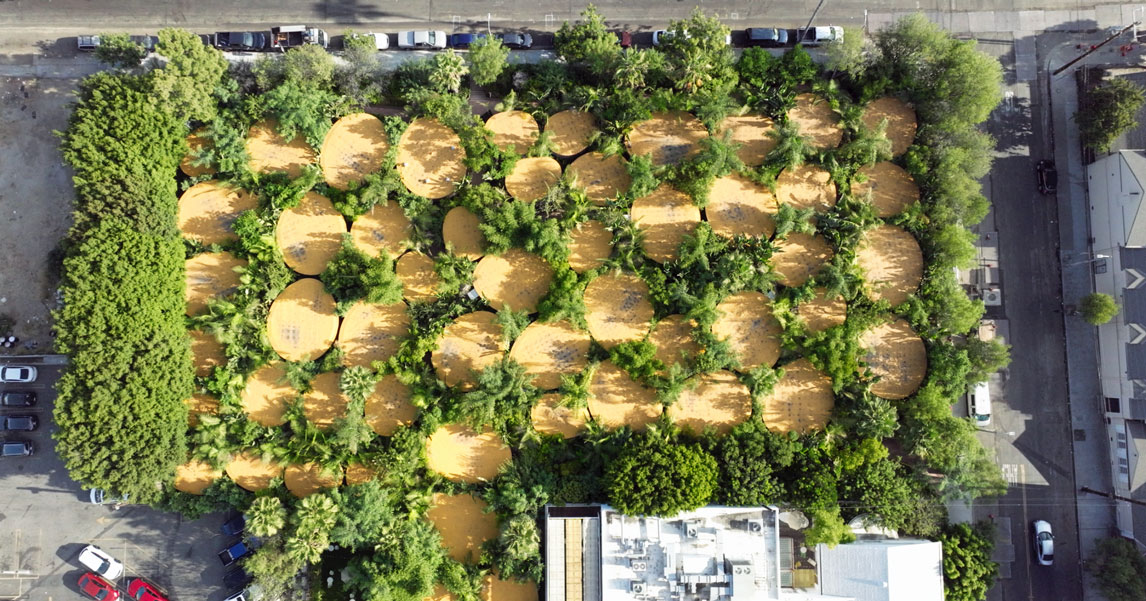
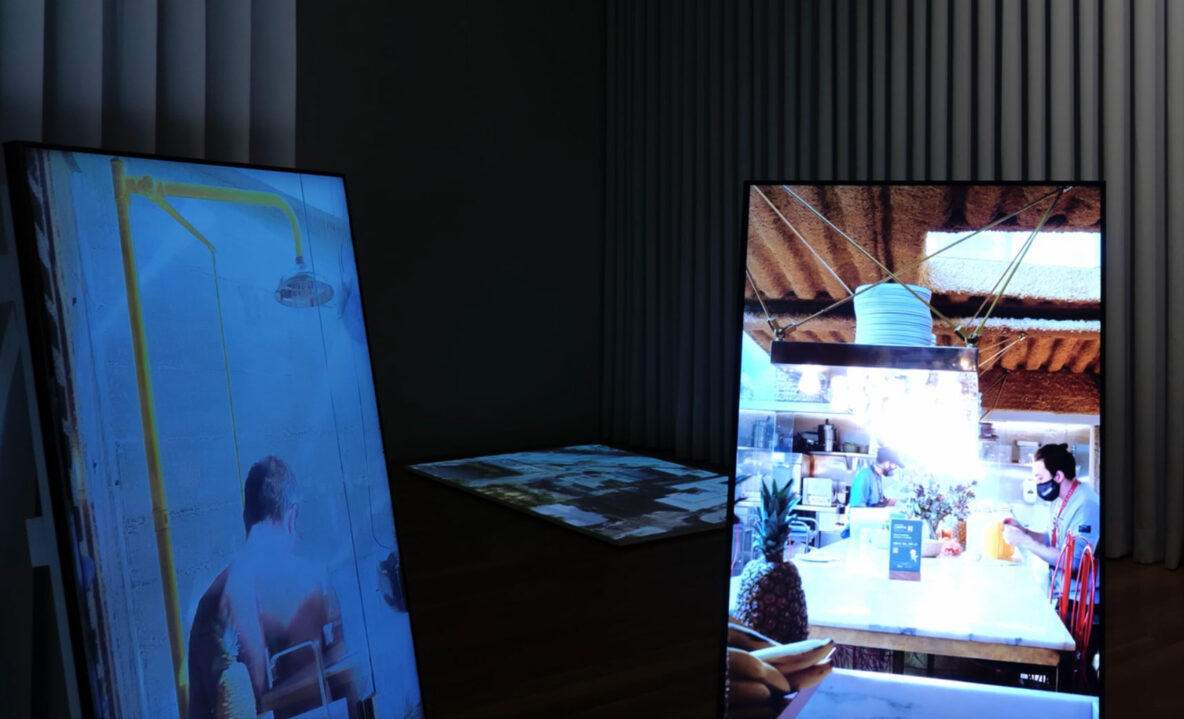
Spanish architecture office SelgasCano transformed an empty parking lot in Holywood into a co-working space that does not look like a typical co-working space at all. As the project title suggests, they created an environment for people to feel at home away from home and be able to spend time casually yet productively in public. 

After first experimenting with this model in London and Lisbon, SelgasCano further perfected the idea of free agglomeration of individual glass cabinets that function as small, visually connected stages for various activities, at the same time allowing for complete privacy of their users, in the US. This rooms-in-the-park composition promotes a very attractive type of habitation: you can see and be seen at all times, in other words, you are constantly among others, yet you can inhabit your pod in your own, totally independent way. 

Because of its unique structure, Second Home office remained open – and very popular! –  even during the COVID-19 lockdowns. The developer is planning to develop this prototype further in various countries with many different architects. 

Photo: Nuno Cera, Sara Constanza 
Visionaries Lisbon Triennale

back